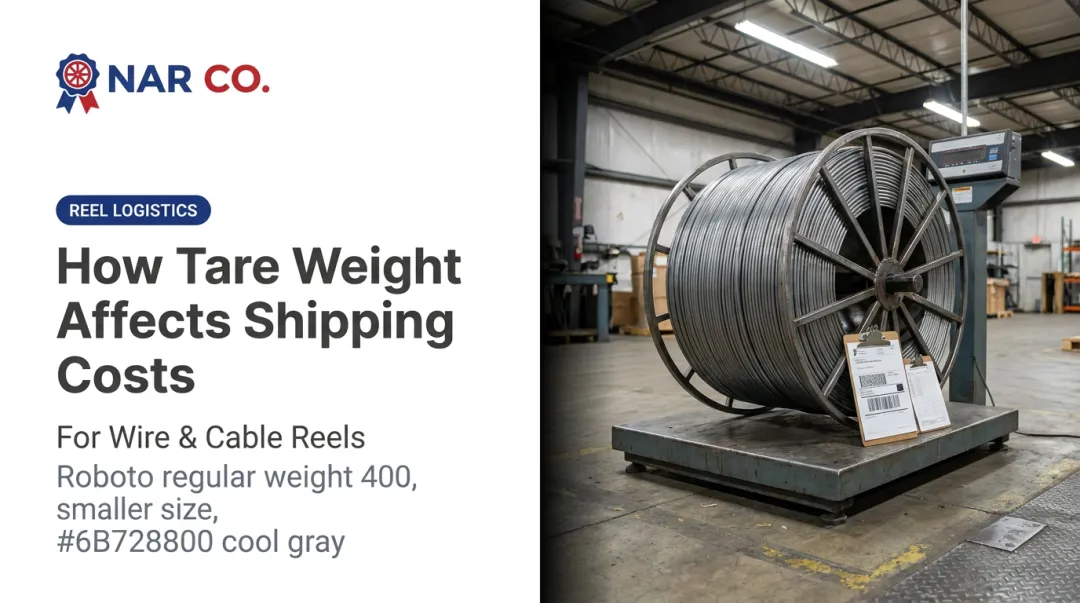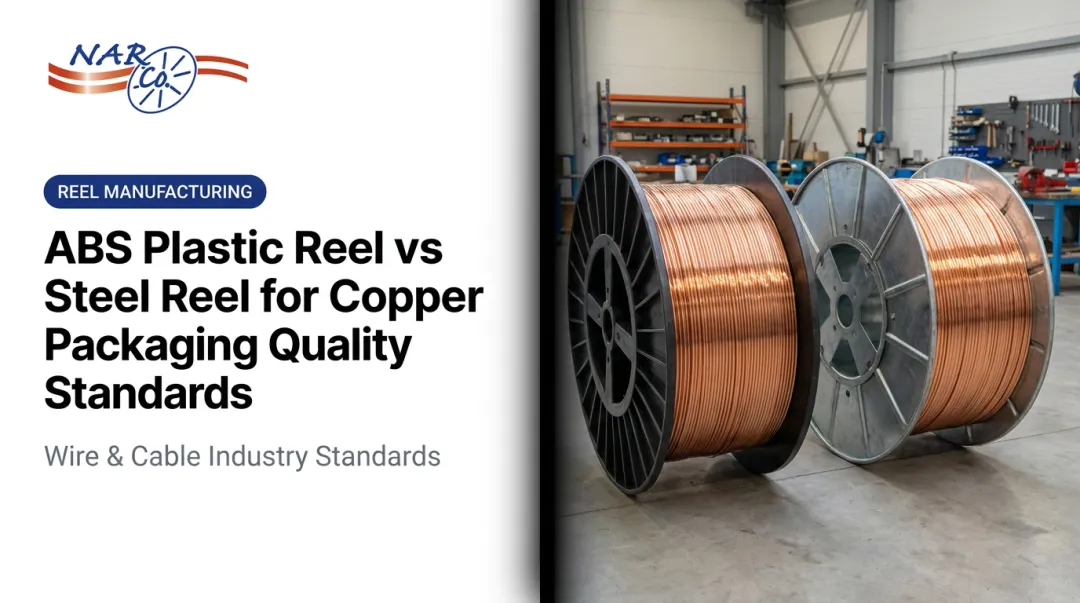
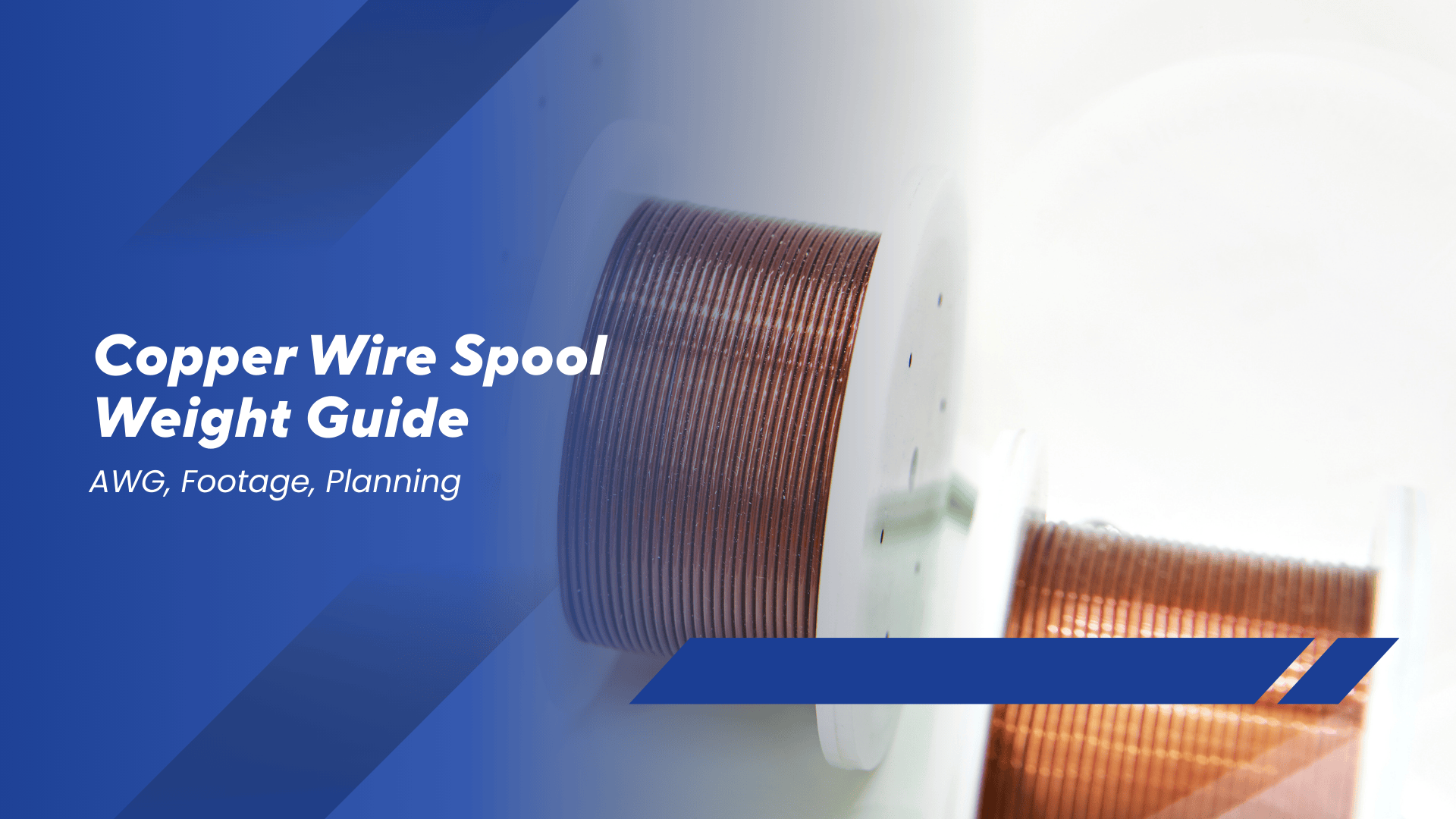
A copper wire spool often weighs more than teams expect. That surprise usually shows up at the dock, not on the order form. A forklift struggles. Storage plans change at the last minute.
Copper wire spool weight depends on more than the wire gauge. Length, insulation type, and the spool itself all add weight. When you understand how these pieces stack together, you can plan handling, shipping, and storage with fewer assumptions.
This guide explains how industrial copper wire spool weight works and how to estimate it with confidence.
Key Takeaways
Spool weight includes more than copper. Copper conductor weight, insulation, and the empty spool or reel can all change the total handling weight.
AWG drives weight fast as the gauge drops. Lower AWG numbers mean thicker copper and heavier spools, especially at longer put-up lengths.
Footage gives you the fastest estimate. Use weight per 1000 feet for the exact wire type, multiply by total footage, then add spool weight if you need total load weight.
Plan logistics before the spool arrives. Confirm forklift capacity, pallet ratings, rack limits, and blocking and staging so heavy spools do not create dock delays.
What “Spool Weight” Actually Includes?
When suppliers list spool weight, they may not mean the same thing. You need to know what is included so your handling plan matches reality.
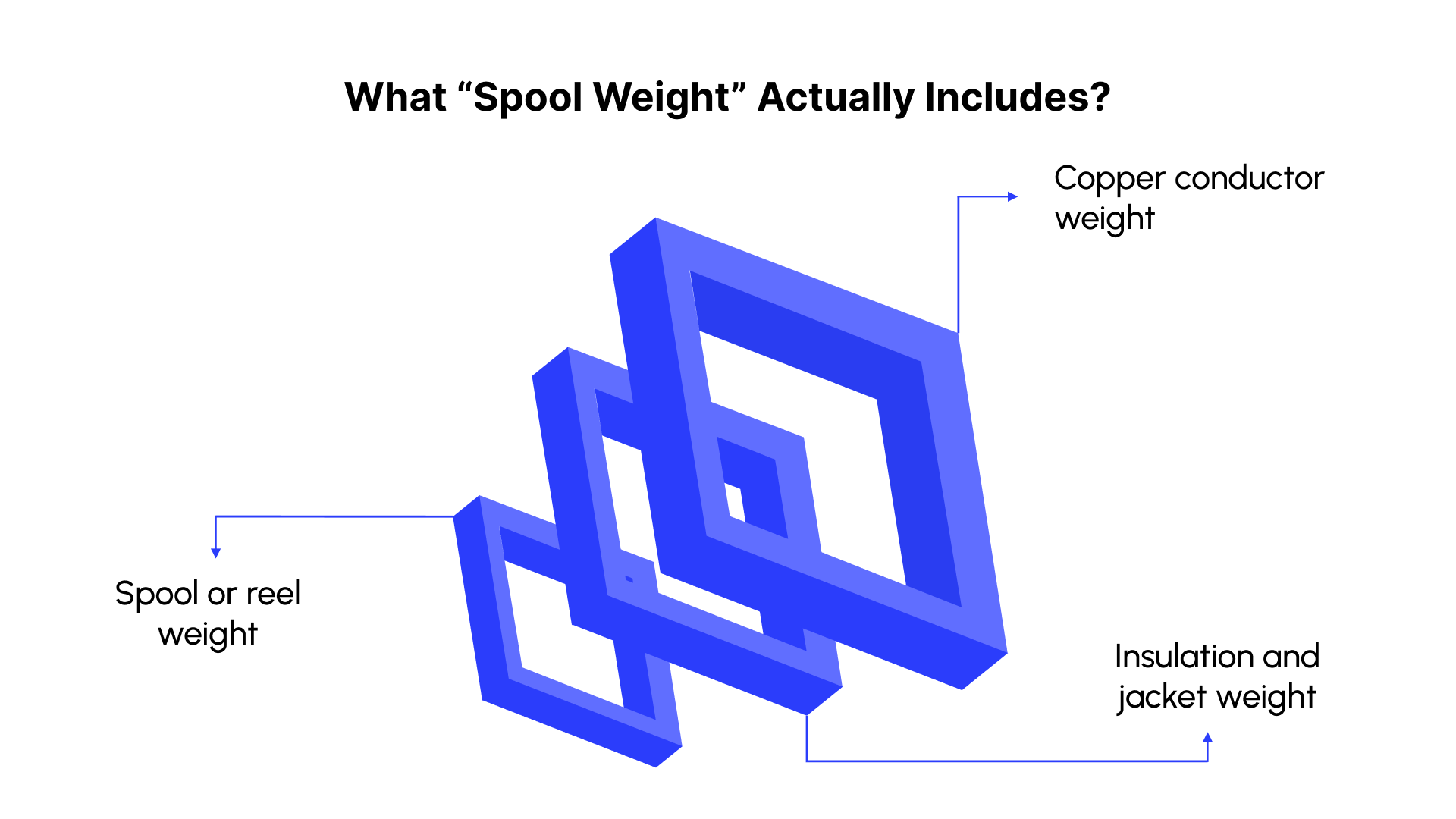
Copper conductor weight
This is the weight of the copper itself. It comes from the wire gauge and the total footage on the spool. Most weight tables list copper weight per 1000 feet for each gauge.
Insulation and jacket weight
Insulation adds weight on top of the copper. THHN, XHHW, and similar building wires weigh more than bare copper at the same gauge. Jacket thickness and compound type both matter.
Spool or reel weight
The spool contributes its own weight.
Plastic spools add less weight but still affect handling.
Wood spools add moderate weight and vary by size.
Steel reels add the most weight but support heavier put-ups and reuse cycles.
Why listed weights can look inconsistent
Some spec sheets show wire weight only. Others include the spool. Always confirm whether the number refers to:
wire weight only
wire plus insulation
total packaged spool weight.
For industrial orders, confirming this early prevents lift issues and freight surprises. Narco supplies industrial spools and reels and can help align spool type with your weight and handling limits when packaging matters.
AWG and Weight Correlation You Can Use
American Wire Gauge works in reverse. As the gauge number gets smaller, the wire gets thicker and heavier. This relationship drives most spool weight calculations.
How does gauge changes weight
Each AWG step changes cross sectional area. More copper means more weight per foot.
A lower gauge number carries more copper
More copper increases weight quickly as the gauge drops
Small gauge changes can create large weight jumps on long put-ups
Using weight per 1000 feet
Manufacturers publish the weight per 1000 feet for common gauges. Buyers use this value as the base for estimating spool weight.
Find the weight per 1000 feet for your exact wire type
Multiply by total footage
Divide by 1000 to get the conductor weight
This approach gives a reliable estimate before insulation and packaging are added.
Why AWG matters for planning
AWG helps you predict handling needs early. A spool of heavier-gauge copper may require a different lift method even when the outer spool size looks manageable. Using AWG weight data early reduces last-minute handling changes.
Solid vs Stranded Copper and How it Changes Spool Weight
Buyers often assume stranded wire weighs more than solid wire at the same gauge. That assumption confuses.
What stays the same
For a given AWG, copper weight stays nearly the same whether the wire is solid or stranded. Gauge defines the total copper cross-sectional area, not strand count.
What changes in real products
The finished wire weight can still differ because of:
Insulation thickness
Strand lay, and air gaps
Jacket compounds are used for flexibility or heat resistance.
These differences show up more clearly on long spools or larger gauges.
What to check before you estimate
When you estimate spool weight, always confirm:
Solid or stranded construction
insulation type and thickness
published weight per 1000 feet for that exact product.
Do not mix bare copper tables with insulated wire data. That mistake leads to underestimating spool weight and causes handling issues later.
The Simplest Way to Estimate Spool Weight From Footage
You do not need complex formulas to estimate copper wire spool weight. A simple step approach works for most industrial planning.

Step 1: Find weight per 1000 feet
Look up the published weight per 1000 feet for your exact wire type. Make sure the table matches:
the correct AWG
solid or stranded construction
the correct insulation type
This number represents wire weight only unless stated otherwise.
Step 2: Multiply by total footage
Multiply the weight per 1000 feet by the total footage on the spool, then divide by 1000.
Example: If a wire weighs 120 pounds per 1000 feet and the spool holds 2500 feet:
120 × 2500 ÷ 1000 = 300 pounds of wire
Step 3: Add spool weight if needed
If you need the total handling weight, add the empty spool or reel weight. This step matters for:
forklift capacity
pallet ratings
rack load limits
This method works across most gauges and put-up sizes and gives a reliable planning estimate before ordering.
Insulation Type and Jacket Thickness Change Total Spool Weight
Copper weight alone does not tell the full story. Insulation can add meaningful weight, especially on long spools.
Common insulation effects
Different insulation types add different amounts of material.
Thin insulation adds minimal extra weight
Thicker jackets add noticeable weight
Dual-layer or specialty compounds add more.
Two wires with the same AWG can differ in total spool weight once insulation changes.
Why this matters for estimates
If you use a bare copper weight table to estimate insulated wire, you will undercount the weight. That gap becomes significant as footage increases.
Best practice for accuracy
Always use the manufacturer’s published weight per 1000 feet for the finished wire. This number already accounts for insulation and construction. It gives you a closer estimate for shipping, storage, and handling plans.
When spool weight approaches handling limits, matching the right spool or reel design matters. Narco can help match spool type and strength when packaging weight drives equipment and safety decisions.
Common Industrial Put-Up Lengths and Why They Matter
Put-up length means how much wire a supplier loads onto one spool or reel. Put up length often drives spool weight more than the spool diameter itself.
Typical put-up lengths you will see
Industrial copper wire often comes in put-ups such as:
500 feet
1000 feet
2500 feet
Higher bulk lengths for some product lines and programs
Suppliers choose put-ups based on handling limits, shipping efficiency, and customer workflow.
How put-up length affects handling
Longer put-ups increase weight fast, especially on heavier gauges. When you increase the length, you may need:
a stronger reel or spool style
a different lift plan
different storage rules to prevent damage.
When shorter put-ups make sense
Shorter put-ups can reduce risk when:
You handle spools manually
You have strict pallet or rack limits
You ship into sites with smaller forklifts
You want easier staging and less downtime during changeovers.
Put up planning should match your equipment and site constraints, not only purchase convenience.
Fine Gauges and Precision Use Cases
Fine gauge copper wire often falls in the 28 to 36 AWG range. These gauges appear in precision applications where weight and size matter.
Where fine gauges show up
You often see fine gauges in:
electronics and control assemblies
instrumentation wiring
small signal and specialty builds.
How weight behaves at fine gauges
Fine gauge wire weighs less per foot, so total spool weight stays lower. You still need to plan for:
packaging that prevents tangles
spool flanges that protect the wire during transit
handling steps that avoid kinks and twisted memory.
What to confirm before ordering
For fine gauges, confirm:
exact conductor construction
insulation type
put up length.
Small errors in gauge or insulation can still change the total weight when you order at the scale.
Shipping and Storage Planning Based on Spool Weight
Spool weight planning reduces handling risk and prevents last-minute freight changes. You should treat spool weight as a logistics input, not a detail that appears after purchase.
Handling and lift planning
Confirm these limits before the spool arrives:
forklift capacity at the load center you will use
pallet rating and pallet condition
dock plate limits if you move heavy pallets across them
lift points and how teams will secure the spool during movement
If you handle spools with cranes or hoists, confirm sling ratings and rigging method.
Storage and stacking control
Weight affects how you store spools safely.
Heavy spools can crush lower layers when you stack without limits
Racks need verified load ratings
Storage on uneven surfaces increases roll risk.
Keep storage rules clear so reels and spools do not shift or fall.
Shipping and receiving preparation
For large shipments, plan:
trailer loading method
blocking and securing approach
receiving space and staging flow
path of travel from the dock to the storage
If spool weight pushes close to your handling limits, selecting the right spool construction matters. Narco can support spool and reel selection when packaging strength and reuse planning affect safe handling.
Conclusion
Industrial copper wire spool weight depends on the wire gauge, total footage, insulation type, and the spool or reel itself. AWG gives you a strong starting point, but insulation and put-up length often drive the final handling weight.
The simplest estimate method uses weight per 1000 feet multiplied by total footage, then adds packaging weight when you need a full handling plan.
Before you order, confirm what weight the supplier lists and what it includes. Then align your lift equipment, pallet ratings, and storage rules to the expected load. This prevents dock delays and handling risk.
Narco supplies industrial spools and reels and can help you match spool type, size, and build to your put-up length, handling method, and storage limits.
Request a quote and share your wire gauge, footage, insulation type, and handling constraints so you can lock the right packaging plan before ordering.
FAQs
1. Does spool weight include the spool or only the wire?
It depends on the supplier. Some list the wire weight only. Others list the total packaged weight. Always confirm what the number includes before planning lifts.
2. How much extra weight does insulation add to copper wire?
Insulation can add noticeable weight, especially on long put-ups. Use the manufacturer’s weight per 1000 feet for the finished wire, not bare copper tables.
3. Can the same AWG spool weigh different amounts from two suppliers?
Yes. Insulation type, jacket thickness, strand construction, and put-up length can change total weight even when AWG stays the same.
4. What is the fastest way to estimate spool weight for a jobsite delivery?
Use published weight per 1000 feet, multiply by total footage, divide by 1000, then add spool weight if you need total handling weight.
5. When should you switch from a spool to a reel for copper wire?
Switch when the weight increases beyond safe manual handling, when you need stronger packaging for shipping, or when your process requires payoff equipment fit.