Have you ever ordered “reels” and received “spools” instead? Or realized halfway through production that your drum couldn’t fit the line?
These mix-ups happen every day in wire and cable manufacturing. The terms reel, bobbin, spool, and drum sound similar, but they are not identical. Each serves a distinct role in how material is wound, stored, and shipped.
In this guide, you will see what truly separates them, in plain, practical terms. You will also learn when to use each and how choosing correctly can improve handling efficiency, cut downtime, and lower costs.
Key Takeaways
Each winding type has a purpose. Reels handle process and shipping loads, bobbins manage fine wire, spools serve mid-range work, and drums move heavy cable.
Material and size drive performance. Steel and large diameters add strength; plastic and smaller cores improve speed and precision.
Standards ensure reliability. DIN 46395, DIN 46397, and NEMA WC 26 keep dimensions, balance, and safety consistent across suppliers.
Expert guidance saves costs. Working with a reel specialist like Narco helps align product design with your production goals and reduces long-term replacement expenses.
Why the Distinction Matters for Your Business?
Selecting the right winding or shipping form is not a technical detail; it’s a productivity factor.
Here’s why it matters:
Operational flow: The wrong reel size or type can disrupt production and slow changeovers.
Product safety: Incompatible winding cores can deform or damage the cable during handling.
Cost control: Correct reel selection reduces waste, repair needs, and replacement frequency.
On the other hand, matching the correct form, reel, bobbin, spool, or drum, to its purpose helps you:
Keep production lines moving efficiently
Store and transport wire safely
Extend the life of reusable steel reels
For example, reconditioned steel reels from Narco help reduce downtime and handling errors in high-volume plants.
Now that you know why these differences matter, let’s look at what actually makes them different and how to identify each type.
Core Definitions (What Each Term Means in Industry)
The words reel, bobbin, spool, and drum often overlap in daily use. Yet, they serve different functions in manufacturing. Understanding each helps you select the right type for your process, reduce downtime, and improve handling safety.

1. What is a Reel?
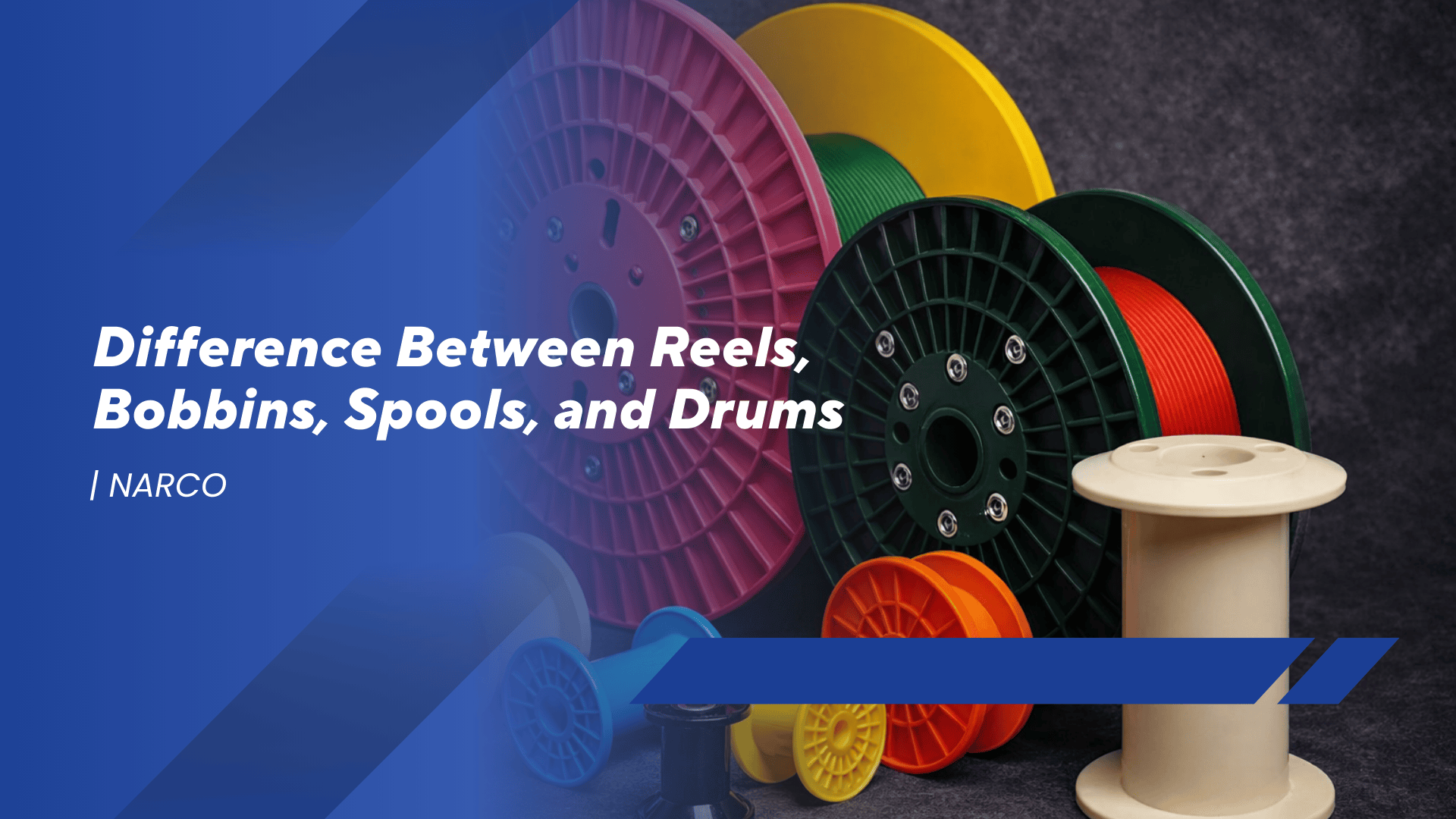
A reel is a cylindrical device with flanges on both ends. It is used to wind, store, and ship long flexible materials such as wire, cable, rope, or tubing.
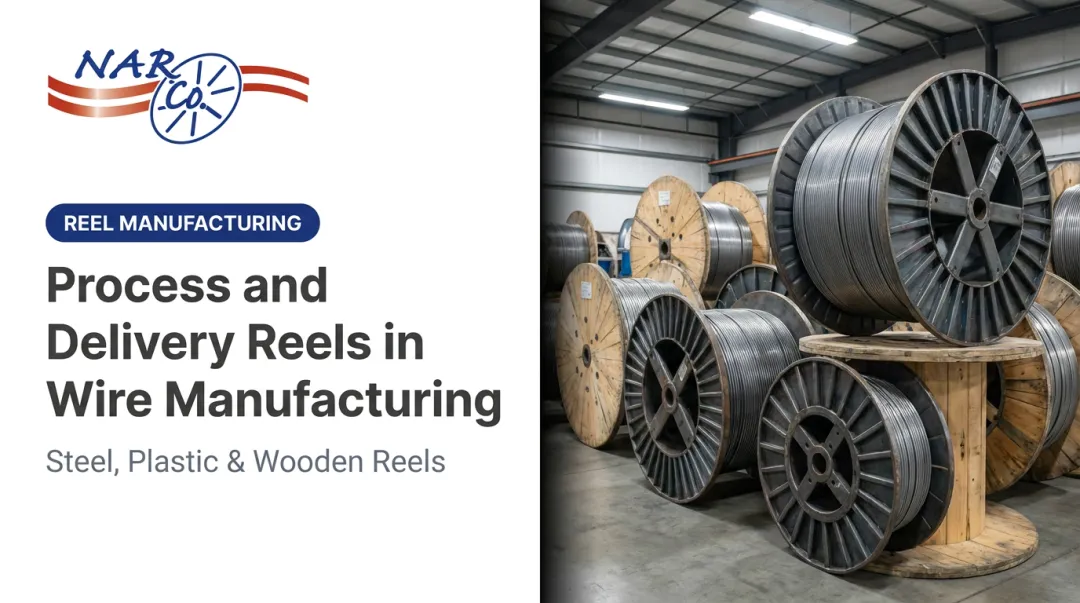
Reels are usually made from steel, plastic, or wood.
Steel reels are preferred in heavy-duty manufacturing and shipping because of their strength and reusability.
They come in multiple sizes, from small process reels to large drums used for power cables.
A balanced reel reduces vibration and ensures smooth payout on the production line.
Example: Steel reels reconditioned by Narco support wire sizes from 3 inches to 96 inches, suitable for both process and shipping needs.
2. What is a Bobbin?
A bobbin is smaller than a reel and is often used for fine wire, magnet wire, or precision winding tasks.
Commonly made from plastic or metal.
Designed for lightweight, high-speed winding operations.
Ideal for continuous processes such as winding copper or aluminum wire during manufacturing.
Typically used on automated machinery or in smaller coil applications.
Bobbin-based systems are common in plants producing fine wire, data cables, or coil windings.
3. What is a Spool?
A spool looks similar to a bobbin but is generally wider and built for higher material capacity.
Often used for mid-range wire or cable sizes.
May serve as a process or shipping unit depending on the material and weight.
Available in plastic, steel, or plywood, based on application.
Plastic spools are lightweight and help reduce operator fatigue in manual operations.
In manufacturing, spools act as a bridge between the small bobbin and the large reel.
4. What is a Drum?
A drum is the largest of the four types. It is designed for shipping and storing heavy, long cables or wires.
Typically made from steel, wood, or plywood.
Used in construction, power transmission, and heavy cable manufacturing.
Drums handle high loads safely during transport.
Many companies use them as returnable packaging to reduce waste.
Example: Steel drums fabricated by Narco meet DIN and NEMA standards, ensuring consistency and safety in high-load applications.
Reel vs Bobbin vs Spool vs Drum
This table highlights the real operational and design differences that matter to manufacturers and procurement teams.
Feature | Reel | Bobbin | Spool | Drum |
Primary Function | Winding and shipping heavy or medium wire | Precision winding of fine wire | Handling medium wire or cable | Shipping or storing heavy cable |
Size Range | 3–96 inches | 0.5–6 inches | 3–24 inches | 24–96 inches or larger |
Material | Steel, plastic, wood | Plastic, metal | Plastic, plywood, steel | Steel, plywood, solid wood |
Load Capacity | High | Low | Medium | Very high |
Common Use | Process and shipping | Fine wire production | Mid-sized wire handling | Transport and storage |
Durability | Reusable, long-life | Limited reuse | Reusable for light duty | Reusable for heavy-duty |
Handling Method | Forklift, hoist, or line feed | Manual or automated feed | Manual handling | Crane or forklift |
Industry Standards | DIN 46395, DIN 46397, NEMA WC 26 | Internal machine standards | Custom or light-duty | DIN and NEMA certified |
Best For | Continuous manufacturing and shipping | Fine wire and coil winding | Medium wire, smaller batches | Heavy cable and long runs |
Reels focus on process strength and reusability.
Bobbins specialize in precision winding for small wire.
Spools offer flexibility for medium wire at a lower cost.
Drums dominate heavy transport and long-length cable applications.
If your operation handles high volumes of wire or cable, use steel reels or drums to support load safety and reuse cycles.
For precision and smaller materials, bobbins and spools keep winding efficient and cost-effective.
Narco provides all four types, with custom fabrication and repair services to match each production or shipping need.
How Industry Uses These Terms
In the wire and cable industry, engineers and buyers often use the words reel, bobbin, spool, and drum interchangeably. However, usage patterns depend on the stage of production and the type of material handled.
Common Usage Patterns
1. In production lines
Plants use reels and bobbins for continuous wire drawing, coating, or extrusion.
Reel refers to heavy-duty winding, while bobbin handles smaller coil work.
Machines specify which core type fits their arbors, so the name often matches the equipment requirement.
2. In packaging and storage
Spools are chosen for short-run cable packaging or mid-sized products that need manual handling.
Drums are standard for bulk cable transport, large conductor reels, or outdoor installations.
3. Across sectors
Telecommunication plants use small spools for data and fiber cables.
Power and construction suppliers rely on drums for large feeder cables.
Metal and rope manufacturers prefer steel reels for their durability and repeat use.
Industry professionals use these terms differently because of size, load, and process requirements. The key is not the name but the performance it delivers in your application.
When to Choose Each Type
Each winding unit supports a different part of manufacturing and logistics. Choosing correctly improves safety, uptime, and product quality.
1. Reels for Heavy and Repetitive Use
Reels suit medium and heavy wires that need precise, stable winding.
Use them for:
Continuous production lines
High-speed payout systems
Repeat shipping cycles where reusability saves cost
A steel reel lasts many years if reconditioned periodically.
Narco provides reconditioning for worn flanges and rims, helping extend reel life and maintain balance.
2. Bobbins for Fine and Precision Work
Bobbins suit fine wire, magnet wire, or small-diameter conductors.
Use them for:
Coil winding machines
Magnet wire insulation and coating
Small automated setups where low weight matters
Bobbins help keep tension uniform and prevent breaks during winding. They offer better control for delicate materials, but cannot handle heavy loads.
3. Spools for Medium-Length and Flexible Operations
Spools fill the gap between fine wire bobbins and large reels.
Use them for:
Mid-gauge wire
Flexible cables packaged in shorter lengths
Distribution that requires manual lifting
They are lighter, easier to move, and cost-effective for smaller batches. Plastic spools also help reduce damage to sensitive cables.
4. Drums for Storage and Transport
Drums handle heavy, long cables that must travel safely to job sites.
Use them for:
Power transmission cables
Construction and infrastructure projects
Export and outdoor storage
Steel or wooden drums support large diameters and protect the cable during movement. They also maintain consistent winding tension during unreeling.
Quick Selection Guide
Need | Recommended Type | Reason |
Fine wire or magnet wire | Bobbin | Tight, precise winding |
Mid-sized wire or cable | Spool | Lightweight and economical |
Heavy process or shipping wire | Reel | Durable, reusable, stable |
Long cable for transport or storage | Drum | High load and outdoor durability |
Start with your material type and load requirement. Match it to the winding device that supports safe handling and efficient operation.
If you operate multiple lines, combining bobbins for process work and steel reels or drums for shipping helps balance cost and efficiency.
Narco assists manufacturers in selecting or modifying reel sizes to suit each application.
Common Standards and Specifications That Affect Choice
Every reel, bobbin, spool, or drum must match the process, machinery, and safety standards used in your facility.
These standards ensure interchangeability, load safety, and consistent winding performance.
1. Key Dimensions and Tolerances
Each type has defined dimensions that control capacity and fit:
Flange diameter: The outer circular face that holds the wire. Larger diameters carry heavier loads.
Barrel diameter: The center section where the wire winds. It affects bend radius and wire stress.
Traverse width: The space between flanges that determines how much wire fits per layer.
Arbor hole size: The inner bore that fits machine shafts or arbors. Correct sizing prevents imbalance and slippage.
If any of these values deviate from standards, the reel or bobbin may cause vibration, uneven winding, or cable distortion.
2. Industrial Standards to Know
DIN 46395: Defines the metal flanged reel design used for bunching or process winding.
DIN 46397: Applies to fully machined reels used in multiwire drawing and cable processing.
NEMA WC 26: Sets guidelines for corrugated and shipping reels for cable packaging and transport.
Following these ensures compatibility with industry machinery and global suppliers. Manufacturers like Narco design and recondition reels that comply with DIN and NEMA standards, keeping your operation consistent and audit-ready.
3. Material and Finishing Standards
Material and coating choices affect durability and handling safety.
Steel reels are often shot-blasted and painted to resist corrosion.
Plastic spools use ABS or reinforced polymer for impact resistance.
Wooden drums must meet moisture and stacking safety standards.
Balanced, machined flanges prevent wobble and extend reel life. Choosing a certified supplier avoids downtime caused by imbalance or structural defects.
Why Standards Matter to Your Bottom Line
Using standardized reels simplifies maintenance and cross-site inventory management. It also reduces training time since operators handle familiar formats. Plants that standardize reel types cut downtime and improve quality control during payout.
Working with a partner like Narco ensures each reel meets size, balance, and coating standards that align with your production goals.
Conclusion
Choosing between a reel, bobbin, spool, or drum shape determines how efficiently your plant operates.
Each option supports a specific load range, wire type, and handling method. Knowing these differences prevents downtime, material waste, and costly damage.
Understanding these distinctions helps you match winding equipment with production and shipping goals. Standardized sizing, balanced construction, and proper material selection all protect your investment and improve plant safety.
If you are unsure which type suits your line best, rely on expert support rather than trial and error.
Narco has specialized in steel reel repair, reconditioning, and fabrication since 1999. The company designs and refurbishes reels and drums that meet DIN and NEMA standards for manufacturers across the United States.
A representative can help you assess your current stock, recommend the right specifications, and extend the life of your existing reels.
Contact us today to discuss your needs.
FAQs
1. What impacts the capacity of a reel or drum?
The capacity depends on barrel diameter, flange size, and traverse width. Larger flanges and wider barrels hold more cable length at safe bend radii.
2. Can a spool be reused like a steel reel?
Yes, spools made from durable plastic or steel can be reused. Plastic spools reduce handling weight, while steel options extend service life.
3. Are wooden drums still used in industry?
Yes. Wooden and plywood drums remain common for heavy shipments because they balance strength with cost and can protect cables during outdoor transport.
4. Do bobbins only apply to wire drawing machines?
Not exclusively. Bobbins also support high-speed winding, magnet wire coils, and any process requiring precise material tension control.
5. How does material handling equipment affect reel performance?
Appropriate stands, brake systems, and guides ensure smooth payout and prevent cable snags or damage during use.