Two steel reels can look identical and still come back with very different prices. That gap often surprises buyers after the quote arrives, not before.
The difference usually has nothing to do with brand and everything to do with how the reel is built, finished, and expected to perform.
Industrial steel reel cost is not fixed. It changes with size, load, machining needs, reuse cycles, and handling conditions.
This guide explains how steel reel pricing works in the U.S. market. You will see what drives cost, why prices vary, and how to budget with fewer assumptions and fewer revisions.
Key Takeaways
Steel reel prices are not fixed. Size, load rating, machining, finish, volume, and lead time change cost even when reels look similar.
You pay for performance and repeatability. Tight bore fit, balancing, and stronger construction increase quote value when reels rotate or face rough handling.
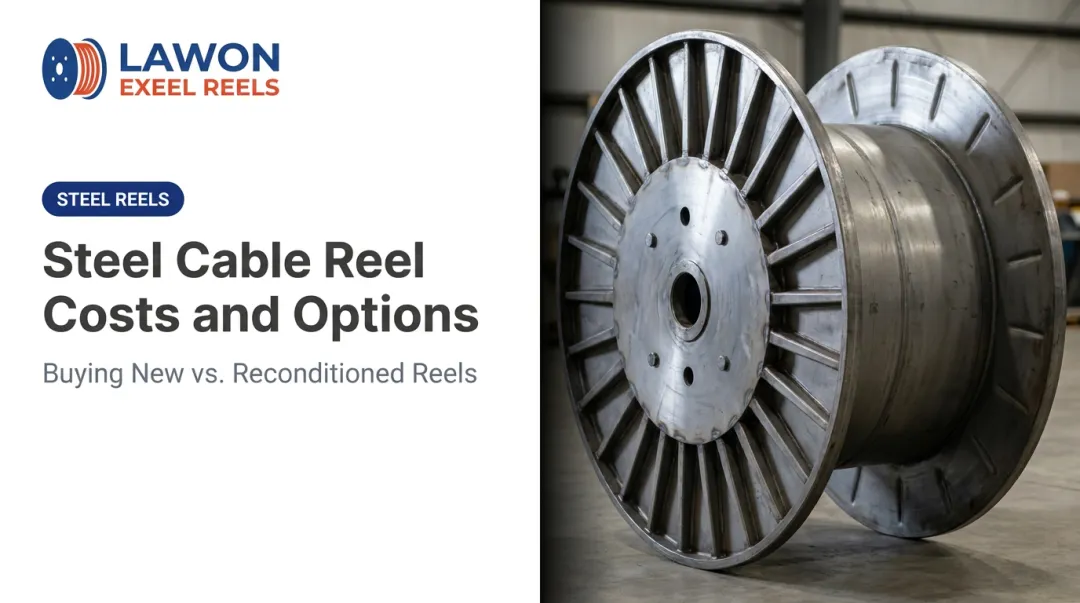
New, used, and reconditioned reels each fit different budgets. Use new for fresh specs, used for matching fleets, and reconditioning when the structure stays sound.
Hidden costs often exceed reel price. Freight, storage footprint, handling damage, downtime, and scrap can inflate total spend fast.
What You Actually Pay For in a Steel Reel Quote
A steel reel quote reflects more than material weight. Each line item ties back to how the reel will perform in use.
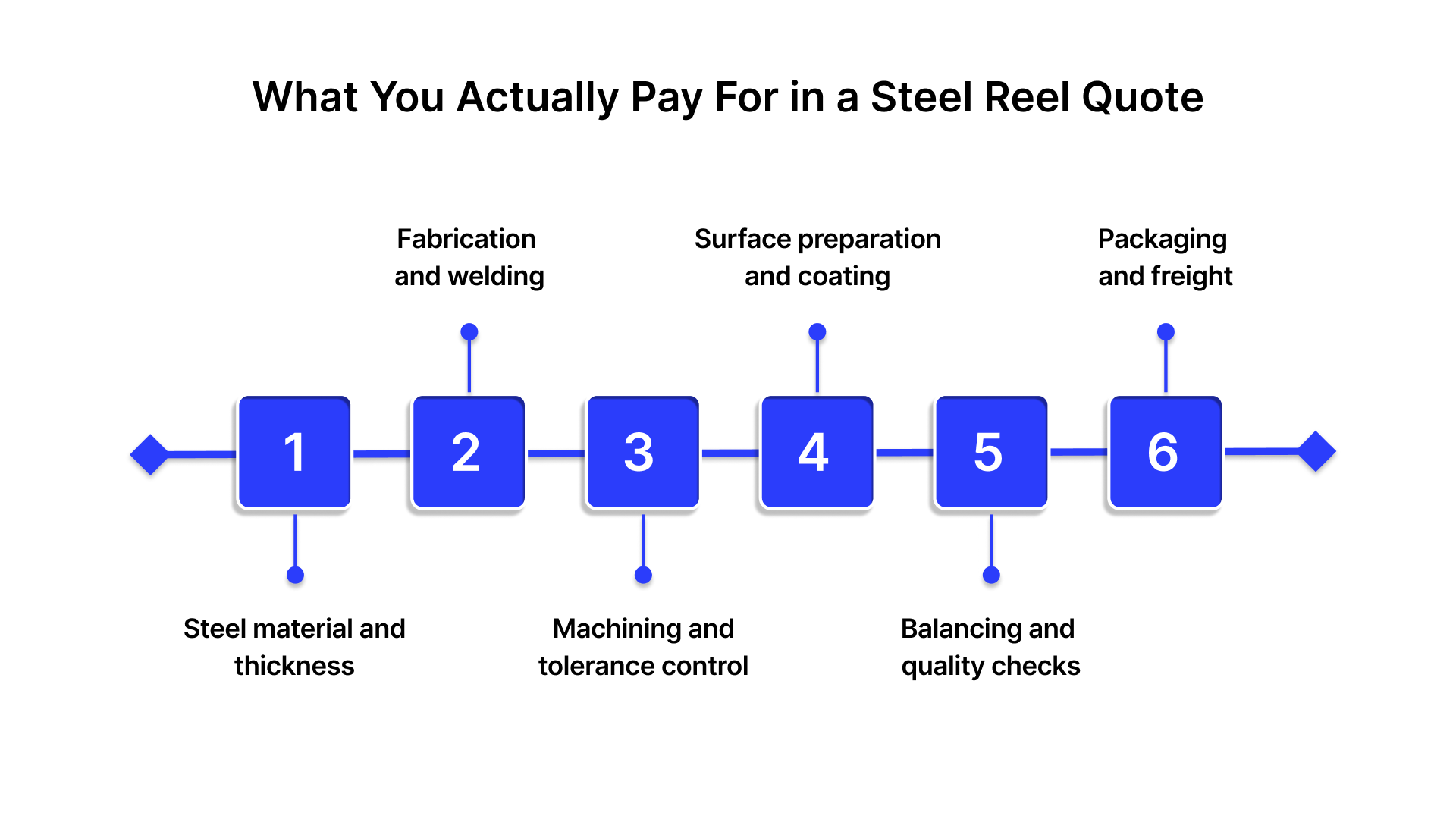
1. Steel material and thickness
Steel grade and thickness set the baseline cost. A thicker plate increases strength and weight. It also increases fabrication time and freight impact.
2. Fabrication and welding
Pressed flange reels cost less to build than fully machined designs. Adding welds, reinforcements, and custom features raises labor time and inspection effort.
3. Machining and tolerance control
Machined hubs, precise bores, and balanced contact surfaces add cost. These steps matter when reels rotate on equipment or carry higher loads.
4. Surface preparation and coating
Blasting, painting, or corrosion protection adds value when reels face outdoor storage or repeat handling. Skipping the finish often leads to earlier repair costs.
5. Balancing and quality checks
Dynamic balancing applies when reels rotate during payoff or take-up. This step adds cost but reduces vibration, wear, and downtime.
6. Packaging and freight
Larger reels increase handling effort and shipping cost. Knockdown or reusable designs can reduce long-term freight spend.
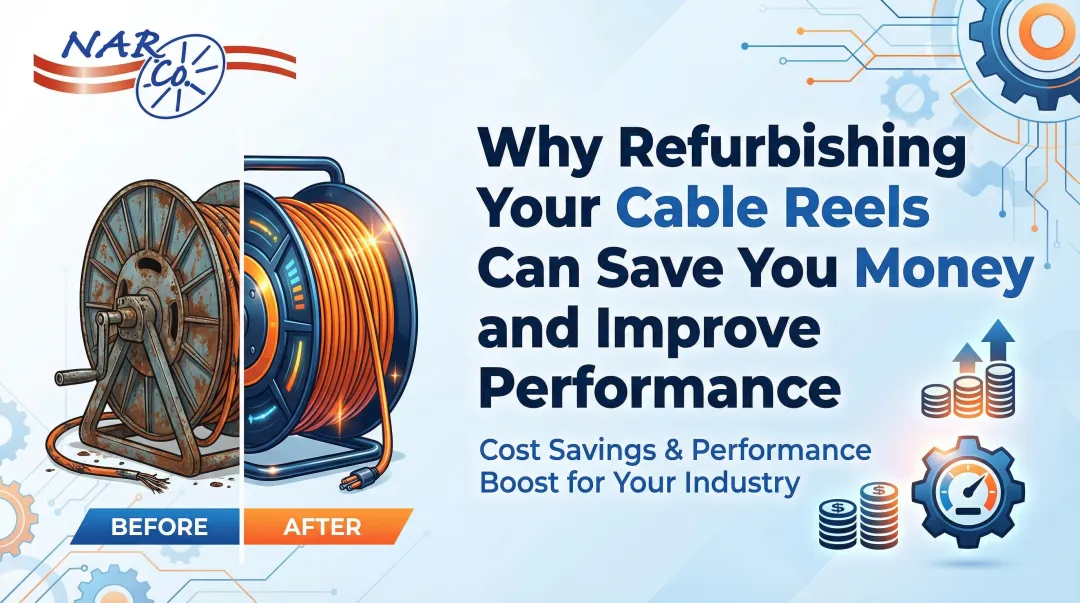
When steel reels run through repeat shipping or process cycles, services like repair, reconditioning, and modification can lower total spend over time.
Narco supports these services alongside new steel reel manufacturing, which helps keep costs predictable across reuse cycles.
What a Steel Reel Typically Costs in the USA and Why it Varies?
Buyers often ask for a single dollar figure. Industrial steel reels do not work that way. There is no fixed price that applies across sizes or uses. Even reels with the same flange diameter can be priced very differently once the build details change.
Why is there no fixed price
Steel reel cost changes because suppliers price the work required to meet your use case.
A light pressed flange reel for shipping costs less than a machined reel built for rotation.
A reel with a standard bore costs less than one with a tight-tolerance hub.
A reel used once costs less than one designed for repeat handling and refurbishment.
How the market usually behaves
You can still think in terms of cost bands, not exact numbers.
Smaller steel reels sit in a lower band when loads stay light, and features stay basic.
Mid-size industrial reels show the widest spread because options vary the most.
Large reels and steel drums sit in the highest band due to material weight, fabrication time, and freight impact.
How to get a useful budget number
You get a realistic budget only after you lock:
Flange, traverse, core, and bore
target load weight, and cable diameter
handling method, and reuse plan
finish, and delivery timing.
Without those inputs, any price you hear remains a guess.
The Biggest Price Drivers You Can Control
You cannot control steel market swings. You can control how complex your reel becomes. These choices cost more than most buyers expect.
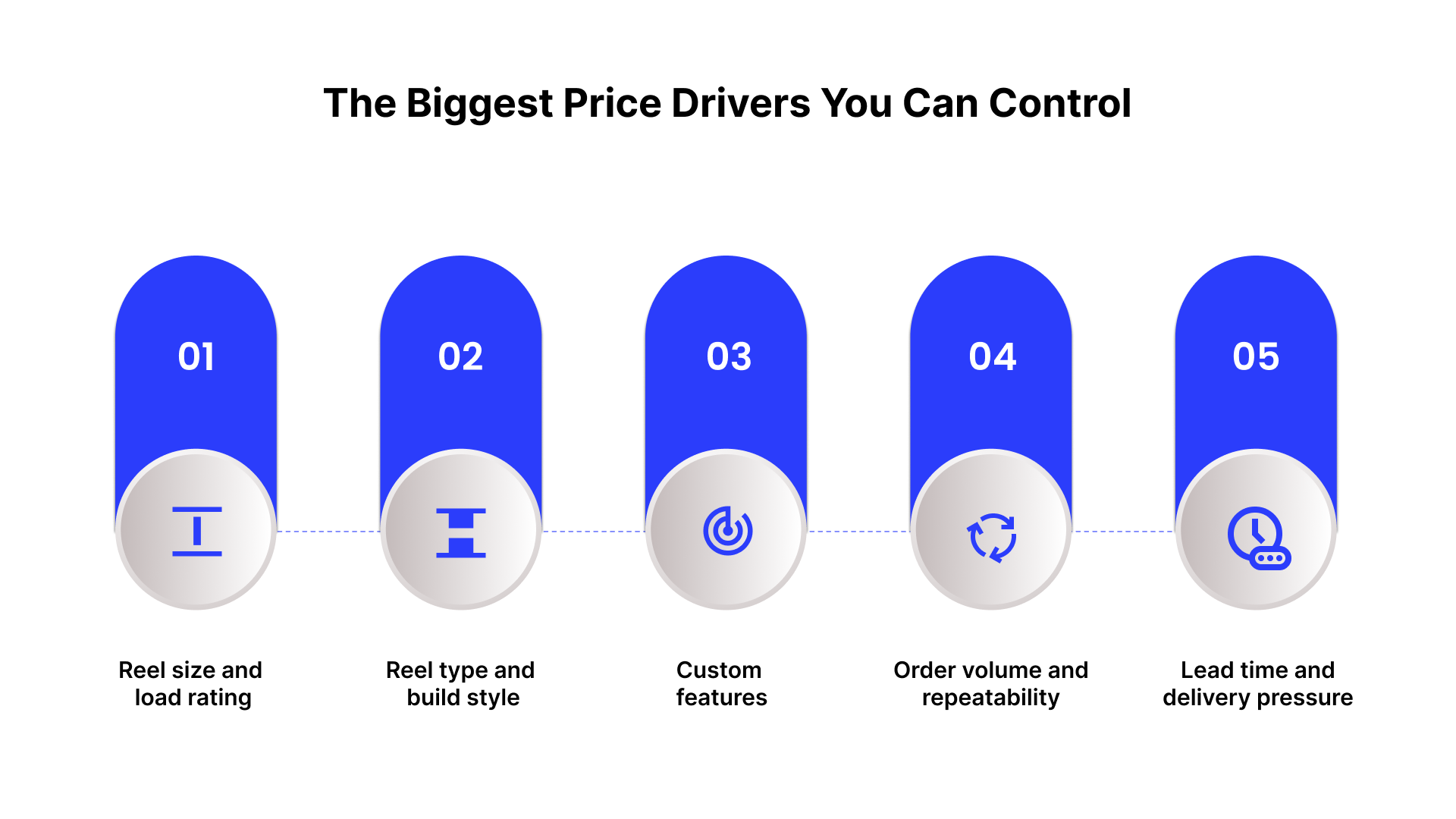
1. Reel size and load rating
Larger flanges and heavier loads increase material, welding, and handling time. Oversizing for comfort often raises cost without improving performance.
2. Reel type and build style
Pressed flange reels cost less to produce. Fully machined or reinforced designs cost more but perform better in rotating or high-stress applications.
3. Custom features
Changes such as non-standard bore sizes, drive pin holes, or arbor tubes add machining steps. Each step increases labor and inspection time.
4. Order volume and repeatability
Repeat orders with locked specs reduce setup time and scrap risk. One-off builds usually cost more per unit.
5. Lead time and delivery pressure
Short lead times increase scheduling pressure. That pressure often shows up as a higher unit cost.
When you align reel design with actual handling needs and standardize specs where possible, you reduce both unit cost and long-term spend.
New vs Used vs Reconditioned: Which Choice Lowers Total Cost
Steel reel cost does not stop at the purchase price. Your best option depends on how often you reuse reels, how hard you handle them, and how tightly the reel must fit the equipment.
Choose new steel reels when you need a clean spec start
New reels make sense when you:
Launch a new product or shipping program
need a specific bore or hub fit for equipment
require higher strength for heavier loads
need a controlled finish for corrosion exposure.
New reels also help when you want consistent repeat orders based on one locked drawing.
Choose used steel reels when you match an existing fleet spec
Used reels can reduce upfront spend when you:
Already use the same size family in your yard
can accept normal cosmetic wear
plan to inspect and sort reels before use.
Used reels can create problems when the bore fit varies or when the damage history is unknown. You should inspect flanges, rims, and bore condition before you commit.
Choose reconditioning when the reel structure stays sound
Reconditioning often works when you see:
Bent flanges that press work can correct
rim damage from handling that repair can restore
worn coatings that blasting and repainting can fix
imbalance issues that balancing can correct.
Reconditioning supports cost control when you run returnable reel programs. You keep reels in service longer and avoid unnecessary replacement.
Narco supports steel reel reconditioning and repair services that include flange straightening, rim repairs, blasting and painting, stenciling, and dynamic balancing when your program depends on reuse.
Returnable Reel Economics: How to Think in Cost Per Use
Returnable programs change the math. Upfront spend matters less than what you pay each time a reel completes a trip.
Use the cost per trip thinking
A simple way to evaluate returnable reels is:
Total spend on a reel over its life
divided by the number of successful trips it completes.
Total spend includes purchase, freight, handling damage, repairs, and refurbishment. Trips include every use where the reel delivers product without forcing scrap or delays.
What improves cost per trip
You can improve the cost per trip when you:
Standardize a small set of reel specs for repeat orders
train handling teams to reduce flange and rim impacts
inspect reels at defined intervals
refurbish reels before damage becomes structural.
What kills cost per trip
Cost per trip rises fast when you:
Oversize reels and increased handling damage
ignore bore wear until reels wobble on the equipment
store reels in conditions that accelerate corrosion
run mixed sizes that slow staging and increase sorting time.
If you operate a returnable steel reel program, Narco can support repair and reconditioning work so reels stay in circulation longer and your cost per trip stays stable.
Hidden Costs That Inflate Reel Spend
Steel reel cost increases when you only track the purchase price. The biggest budget surprises often come from freight, handling, and downtime.
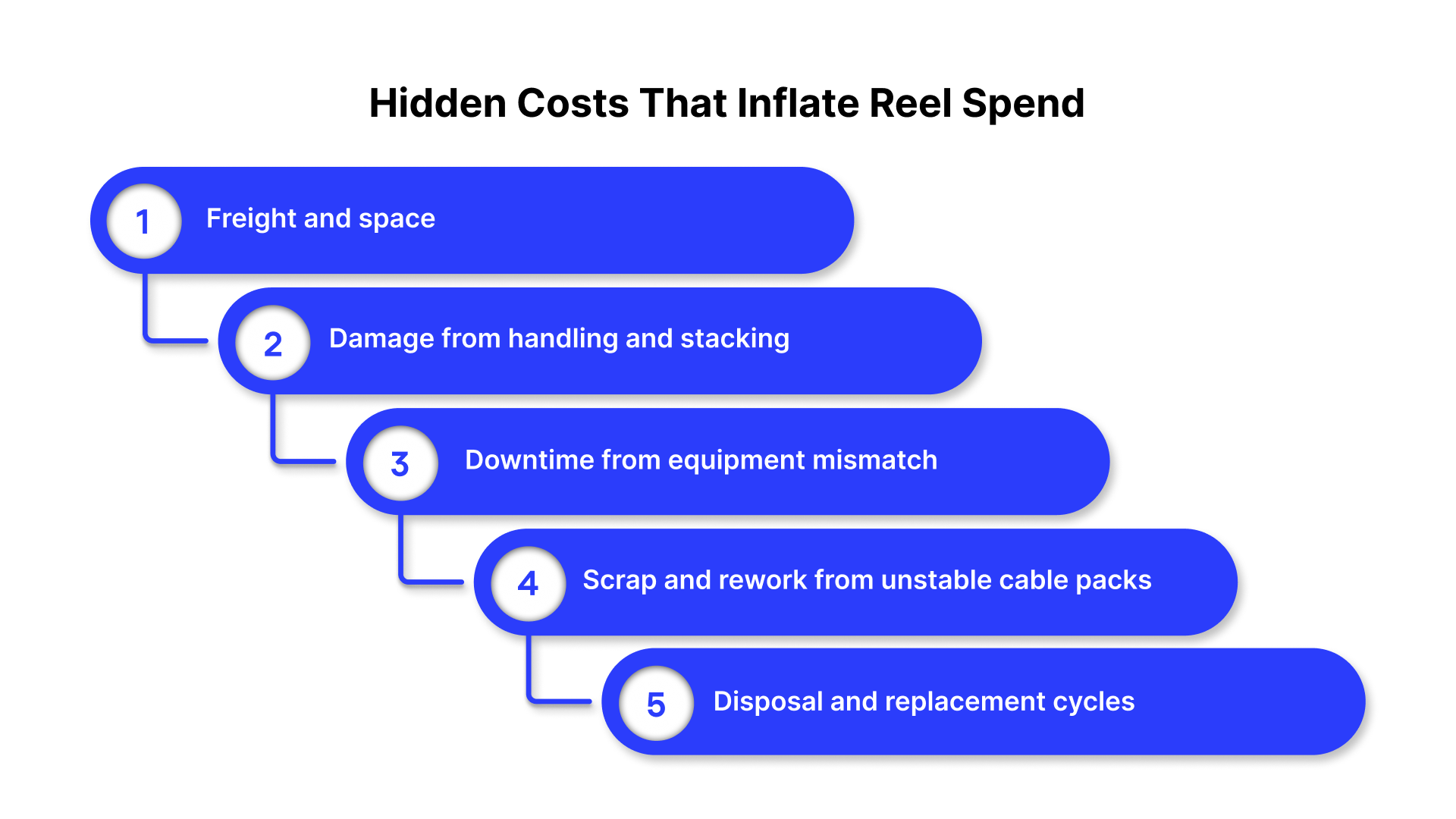
Freight and space
Large reels consume trailer space and warehouse footprint. You may pay more per shipment even when the cable weight stays the same. Storage also costs more when reels block aisles or require special racking.
Damage from handling and stacking
Forklifts clip flanges. Reels roll in yards. Stacks compress lower reels. Each event increases repair spend and raises the chance of cable damage during payout.
Downtime from equipment mismatch
A reel that does not fit your shaft or payoff stand slows work. Your team uses adapters, shims, or workarounds. That time becomes real labor cost.
Scrap and rework from unstable cable packs
Poor reel sizing or damaged flanges can shift the cable pack. You may see crushed outer wraps, jacket scuffs, or payout instability. That drives scrap and delays.
Disposal and replacement cycles
When you replace reels instead of refurbishing them, you pay for new builds more often. You also take on disposal time and cost for retired reels.
These costs explain why a higher quality reel can still lower total spend when you reuse reels or ship high-value cable.
How to Request a Quote That Comes Back Accurate
You cannot compare quotes if suppliers price different assumptions. A clean RFQ prevents that problem and reduces revision cycles.
Include these specs every time
Flange diameter
Traverse width
Core diameter
Arbor or bore size and hub length
Cable type, outside diameter, and target load weight
Handling method and stacking limits
Finish requirements and storage exposure
Quantity, delivery location, and lead time.
If you want a quote that matches your real use case, request a quote from Narco with this sheet. Narco can also support custom modifications and reconditioning when your program depends on reuse.
When Refurbishment Beats Replacement
Refurbishment makes sense when the reel still has a sound structure. You get more life from the asset, and you avoid the full cost of a new build.
Choose refurbishment when the damage is repairable
Refurbishment often works when you see:
Flange bends that press work can correct
rim damage from forklift contact that welding can restore
coating failure from outdoor storage that blasting and painting can fix
worn markings that you need for tracking and tare control
balance problems that show up as vibration during rotation.
Choose replacement when the reel no longer holds spec
Replacement often becomes the safer choice when:
Cracks show up in core or flange connections
Repeated repairs cause geometry drift and poor equipment fit
structural deformation returns quickly after repair
the reel no longer supports required load safely.
What a typical refurbishment cycle includes
Scope varies by condition. Many programs include:
Inspection and sorting
flange straightening and rim repairs
surface prep, blasting, and repainting
re-marking for identification and tare weight
balancing for reels that rotate in service.
Narco provides steel reel reconditioning services such as flange straightening, rim repairs, blasting and painting, stenciling, and dynamic balancing. These services help when you want to extend reel life and control replacement cycles.
Budget Checklist: What to Standardize to Keep Costs Stable
Cost stays predictable when you reduce variation. This checklist helps you build that discipline.
Standardize reel specs across products
Build a shortlist of core reel sizes you use most often
lock bore sizes to match your payoff and handling equipment
use the same finish requirements across similar routes and storage conditions.
Set clear rules for repair versus retire
Define damage limits for flanges, rims, and bore wear
document when you refurbish and when you scrap
track repeat failure causes and adjust handling rules.
Plan maintenance and reconditioning
Schedule inspections at return points
refurbish before damage becomes structural
keep a buffer of serviceable reels to avoid rush purchases.
Keep RFQs consistent
Use the same RFQ table every time
keep drawings and revision history controlled
avoid last-minute design changes that raise cost.
If you want stable budgeting, treat reel specs and refurbishment thresholds as part of your operating system, not a one-time purchasing task.
Conclusion
Industrial steel reel cost is not fixed. Your price moves with size, load rating, machining needs, finish requirements, lead time, and how often you reuse reels.
You control cost best when you standardize specs, request quotes with complete details, and plan refurbishment instead of replacing reels too early.
If you need steel reels tailored to your specifications, Narco is here to help!
Narco manufactures steel reels and drums and supports reel programs with:
Steel reel reconditioning and refurbishment
Steel reel repair and custom modification
Blasting, painting, stenciling, and dynamic balancing
Used steel reel sales and redistribution
Share your dimensions, load details, finish needs, and delivery timeline. Request a quote so you can budget with real inputs and keep reel costs stable over time.
FAQs
1. Do steel reel prices change with steel market rates?
Yes. Steel input costs can shift pricing, especially for larger reels with higher material weight. Suppliers also adjust based on shop workload and lead time.
2. What information do you need to get a real budget quote, not a rough guess?
You need flange, traverse, core, bore, target load weight, cable type, finish needs, quantity, delivery location, and required lead time.
3. Does ordering higher quantities lower the steel reel cost per unit?
Often yes. Repeat builds reduce setup time and scrap risk. Unit cost usually drops when you standardize specs and order in planned volumes.
4. When does refurbishment stop making financial sense?
Stop refurbishing when cracks appear, geometry drifts out of spec after repairs, or repeated damage returns quickly. Replacement often reduces risk in those cases.
5. What costs should procurement track besides the reel price?
Track freight, warehouse footprint, handling damage, downtime from equipment mismatch, scrap from cable damage, and refurbishment spend across the reel lifecycle.